What Fashion Founders Should Know About Production
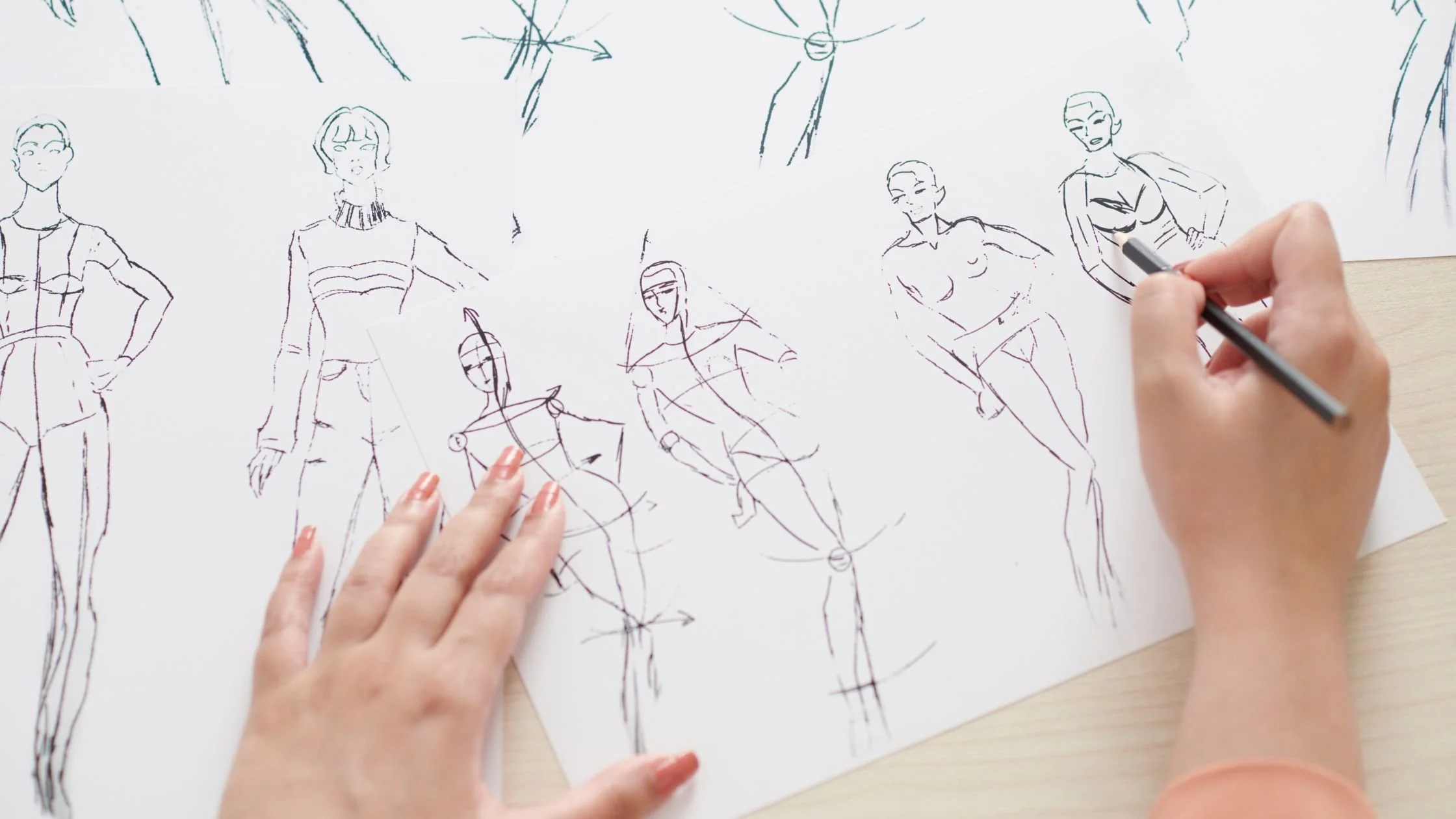
For many fashion founders, production feels like the exciting next step.
The ideas are clearer. The moodboard is set. The designs are taking shape. There’s momentum and a sense that things are finally becoming real.
And then production begins.
This is the point where fashion stops being conceptual and becomes operational. Where decisions carry weight, timelines become tangible, and assumptions are quietly tested against reality.
It’s also the moment many founders realise, sometimes later than they would like, that the industry works differently from what they imagined.
Not harshly… Not unfairly…Just differently.
Production Is a Business Relationship, Not a Creative Collaboration
One of the biggest misconceptions about production is that manufacturers exist to “help bring your vision to life.”
In reality, most production partners operate with efficiency, margin, and repeatability as priorities. They are not co-founders. They are not brand strategists. And they are not responsible for refining your concept.
They expect:
Clear specifications
Realistic order quantities
Decisive communication
Respect for timelines and capacity
When those elements aren’t in place, friction begins.
None of this is unreasonable; it’s simply how manufacturing remains viable. But for founders entering the process for the first time, it can feel surprisingly formal.
This doesn’t mean factories are unhelpful. Many are incredibly supportive — especially when they sense clarity and seriousness. But production is a commercial exchange first, and a creative one second.
Understanding that shift early prevents disappointment later.
Minimum Order Quantities (MOQs) Change Everything
Many founders assume they can “just test” a small quantity and scale from there.
Sometimes that’s possible. Often, it isn’t.
Minimum order quantities (MOQs) exist because factories need production runs to be commercially viable. Small runs are possible, but they often come with:
Higher per-unit costs
Longer timelines
Fewer fabric options
Less flexibility
When those decisions haven’t been fully thought through, production can feel like it’s pushing back. In reality, it’s just reflecting what hasn’t yet been clarified.
Production doesn’t adapt to uncertainty. It magnifies it.
This doesn’t make small-batch production impossible. It just means pricing, positioning, and volume decisions must align before sampling begins.
Sampling Is Not the Same as Readiness
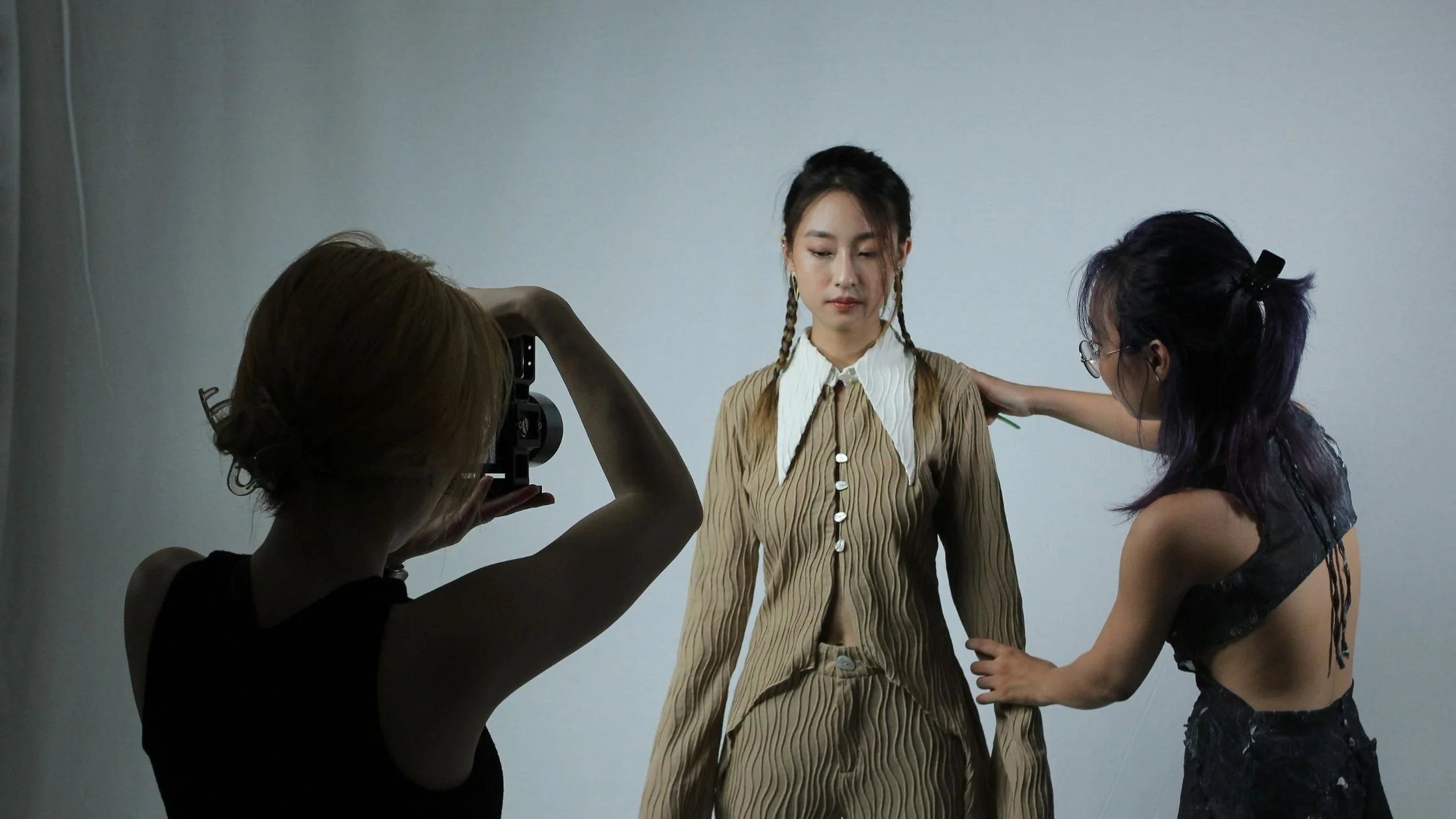
Receiving a sample feels like progress. It’s tangible. It’s proof that the idea has moved from paper to product.
And it is progress — but it isn’t the same as readiness.
What many founders don’t anticipate is how many rounds of refinement can follow once sampling begins:
Fit adjustments
Fabric substitutions
Construction changes
Cost recalculations
Each revision affects time and budget. Each change has a ripple effect across pricing, timelines, and positioning.
This is where clarity becomes protective.
When you are clear on who the product is for, what it needs to achieve, what price point it must support, sampling becomes purposeful. Adjustments feel strategic, not reactive. Decisions are quicker. Conversations with suppliers are sharper.
Without that clarity, sampling can quietly turn into a loop: small tweaks, second guesses, cost surprises, and revisions that move the product sideways rather than forward.
Sampling isn’t the issue. Entering it without a defined direction is.
Production rewards clarity long before it rewards creativity.
Production Timelines Rarely Move Faster … Only Slower
In fashion, timelines almost never compress. They extend.
Delays can happen because:
A fabric shipment is late
A trim is discontinued
A sample needs correcting
A factory’s production schedule shifts
This isn’t dysfunction. It’s the nature of manufacturing.
The industry operates on lead times, sequencing, and capacity — not urgency or enthusiasm.
Founders who build realistic buffers into their expectations experience less stress. Those who assume speed often feel blindsided.
Production Costs Don’t Just Add Up, They Compound
Another common surprise is how quickly costs accumulate beyond the obvious.
It’s not just:
Fabric
Labour
Packaging
It’s:
Shipping
Duties
Sampling rounds
Pattern amendments
Labelling
Photography
Storage
This isn’t to discourage — it’s to prepare. When founders understand the full landscape early, confidence increases rather than erodes.
Clear Communication Signals Seriousness in Production

Production partners assess risk… not emotionally, but practically.
They are evaluating:
How clear your brief is
How quickly you respond
Whether your order quantities make sense
Whether your expectations are realistic
Clarity in communication often determines the quality of response you receive.
Vague emails tend to generate vague replies. Unclear briefs lead to misaligned outcomes. Indecision slows the entire process.
This isn’t about sounding impressive. It’s about sounding prepared.
Why This Feels So Surprising
Most fashion founders begin with a creative instinct. They are driven by product, aesthetics, and the desire to build something meaningful.
Production requires a different muscle: structure.
If strategy hasn’t been clarified before entering this stage, production can feel heavy, expensive, and unexpectedly complex.
But the issue isn’t that the industry is unfair. It’s that it is operational.
Fashion may be expressive on the surface, but underneath, it runs on systems.
The Difference Between Overwhelm and Alignment
Production becomes overwhelming when it arrives before the brand is clear.
It becomes manageable when:
The customer is defined
The price point makes sense
The positioning is deliberate
The quantities align with realistic goals
When those foundations are in place, production stops feeling like a gamble and starts feeling like execution.
The Quiet Advantage of Knowing This Early

Understanding how production really works doesn’t mean delaying your brand or shrinking your ambition. It means entering the process with open eyes.
The founders who move through production calmly aren’t necessarily more experienced or more confident. Often, they’ve simply taken the time to define what they’re building before asking someone else to manufacture it.
In fashion, clarity doesn’t slow you down.
It protects your time.
It protects your margins.
And perhaps most importantly, it protects your belief in what you’re building.
Production isn’t there to intimidate you.
It’s there to execute what has already been thoughtfully decided.
When thinking is done first, the process feels less like a gamble and more like momentum.
Continue exploring the Journal for grounded insights on building a fashion brand with structure and intention.