Why Most Fashion Brands Struggle Before They Launch

For many fashion founders, the hardest part of building a brand isn’t what happens after launch.
It’s everything that happens before…
Long before a collection goes live, before customers exist, and before there’s anything tangible to point to, many brands quietly stall. Not because the idea isn’t good enough, and not because the founder lacks talent or commitment … but because the early stages of fashion brand building are far more complex than they’re often made to sound.
This is where most new fashion brands quietly stall.
The Quiet Reality of the Pre-Launch Phase
Most fashion brands don’t fail because of a lack of talent.
They don’t collapse after a launch or disappear overnight.
They stay static in an in-between state:
Constantly preparing
Constantly tweaking
Constantly questioning
There’s movement, but no real momentum. Effort is being spent, but confidence is lacking in how to grow.
This phase can last months — sometimes years — and it’s where many founders start to doubt themselves, even when the idea itself is strong.
The Myth of “Just Start” in Fashion
“Just start” is advice that gets repeated often, and in some industries, it works.
Fashion isn’t one of them.
Unlike digital products or service-based businesses, fashion comes with:
Production timelines
Minimum order quantities
Cost commitments
Fit, sizing, and materials
Pricing decisions that can’t easily be reversed
Starting without clarity doesn’t create momentum; it often creates pressure.
Founders are forced to make expensive, high-stakes decisions before they fully understand what they’re building or why. The result isn’t progress; it’s overwhelm disguised as action.
The Real Reasons Fashion Brands Struggle Before Launch
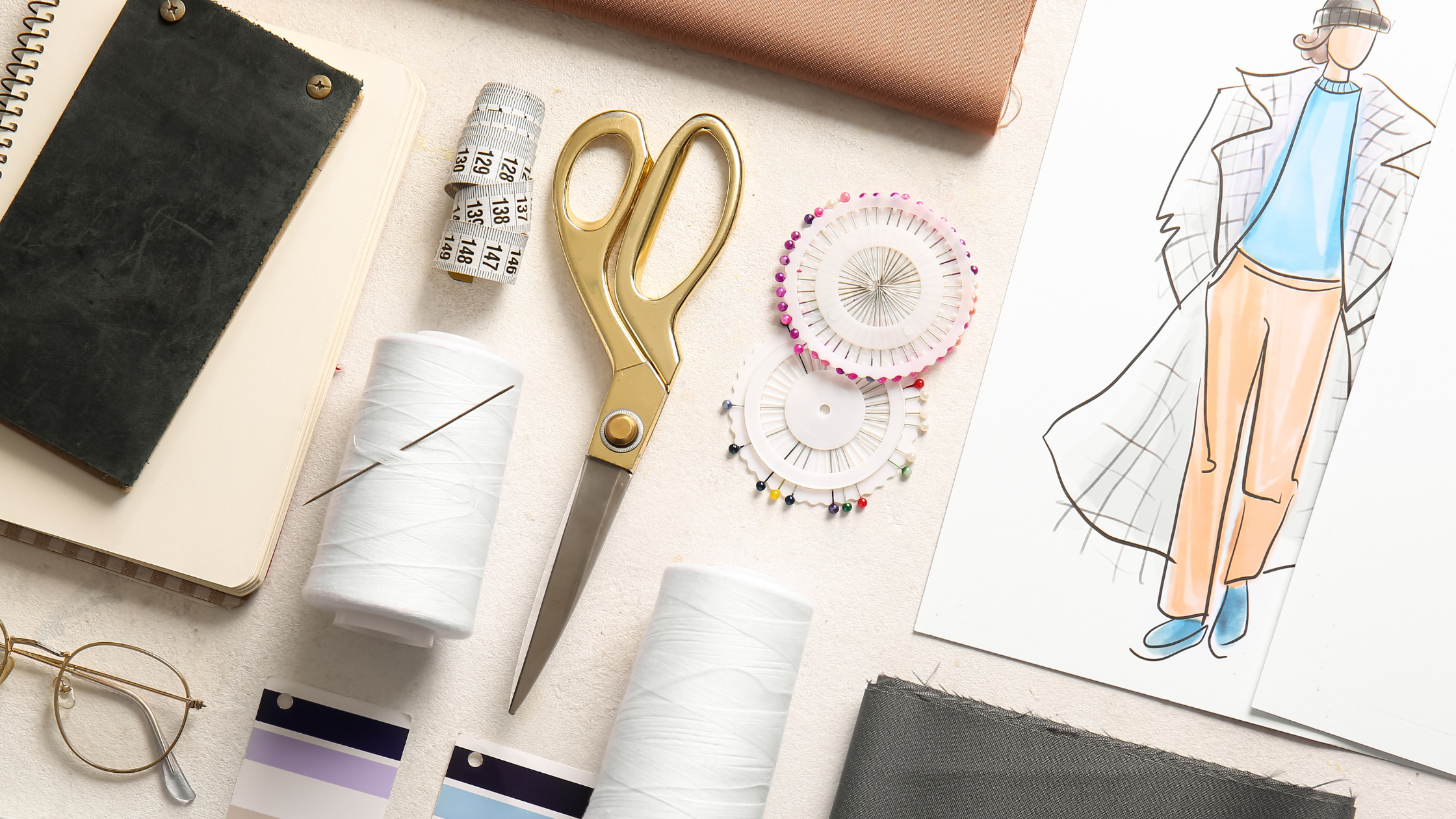
When brands struggle early on, it’s rarely down to a single mistake. More often, it’s a pattern of friction points that build quietly over time.
Too Many Decisions, Not Enough Direction
Early-stage founders are faced with an extraordinary number of decisions:
Design direction
Price point
Audience
Production model
Sales channels
Without a clear sense of priority, everything feels equally urgent. Decisions are made in isolation, without a framework to support them, which leads to second-guessing and constant revisiting.
Progress slows, not because nothing is happening, but because nothing is anchored.
Confusing Activity With Progress
This is one of the most common traps in fashion.
Designing feels productive. Sampling feels like progress. Branding feels like building.
But without clear intent underneath, these activities can become circular. Things are created, adjusted, and reworked, yet the brand doesn’t move closer to launch with confidence.
Being busy is not the same as being ready.
Borrowed Confidence From Other Fashion Brands
In the absence of clarity, many founders look outward.
They study brands that appear successful and try to replicate what they see visuals, tone, launch strategies, hoping some of that certainty will transfer across to their brand.
But confidence borrowed from elsewhere rarely fits properly. What works for one brand, at one scale, in one context, can create friction when applied without adaptation.
Instead of feeling reassured, founders often feel more unsure.
Fear Disguised as Preparation
Fear disguised as preparation is one of the hardest patterns to recognise, because on the surface, it looks sensible.
More research. More tweaking. More waiting until things feel “right”.
But in many cases, this hesitation isn’t actually about improving the brand. It’s about delaying decisions that feel permanent or exposed, choosing a direction, setting a price, committing to a timeline.
Without clarity to guide those decisions, every choice feels high-risk. So preparation becomes a way to stay busy without fully committing, even when the founder is deeply invested and genuinely wants to move forward.
Why This Is So Common in Fashion

None of this happens because founders are doing something wrong.
Most people begin their fashion journey because they genuinely love the industry. They appreciate clothing, understand style, and feel they have something meaningful to offer, whether that’s a design perspective, a point of view, or the dream of creating their own label or boutique brand.
That creative space feels familiar. Designing garments, sourcing fabrics, refining details, this is where confidence lives.
The business side, on the other hand, can feel abstract and overwhelming. Questions like Who is my customer? Where does she shop? How does this brand really fit into the market? don’t always have immediate or intuitive answers, especially without formal fashion training or guidance.
Fashion sits at the intersection of creativity and commerce, and many founders enter it through taste and instinct, not brand strategy. Add to that industry language that isn’t always accessible, advice that’s often fragmented or contradictory, and the pressure to appear confident before feeling it, and it’s no surprise that many people gravitate toward what feels tangible first.
Focusing on the garments isn’t avoidance. It’s a comfort zone.
But without strategy running alongside creativity — or even slightly ahead of it — that comfort zone can quietly turn into friction.
The issue isn’t capability. It’s context.
What Actually Changes the Trajectory for Fashion Brands (Without Rushing It)
Brands that move through the pre-launch phase with more confidence don’t necessarily move faster.
What changes is the order of thinking.
Instead of reacting to every decision as it arises, there’s a clearer sense of:
What matters most
What can wait
What decisions unlock others
This doesn’t eliminate uncertainty, but it reduces noise. And when the noise quiets down, momentum becomes possible.
Struggling Early Doesn’t Mean You’re Failing
If any of this feels familiar, it’s not a sign that you’re behind.
More often, it means the foundations haven’t yet been given the space they need.
Most fashion brands don’t struggle because their founders aren’t working hard enough. They struggle because they’re trying to do everything at once without clarity to guide them.
And that’s not a personal shortcoming. It’s a structural one.
The Quiet Truth About Pre-Launch Struggle in Fashion

The pre-launch phase isn’t meant to feel chaotic, but it often does when decisions are made without direction.
When clarity is missing, progress feels heavy. When it’s present, even small steps feel intentional.
The brands that make it through to the launch phase aren’t the fastest. They’re the ones that take the time to understand what they’re building before asking the world to respond to it.
Continue exploring the Journal for grounded insights on building a fashion brand with structure and intention.